

Framed Prints From Universal Images Group
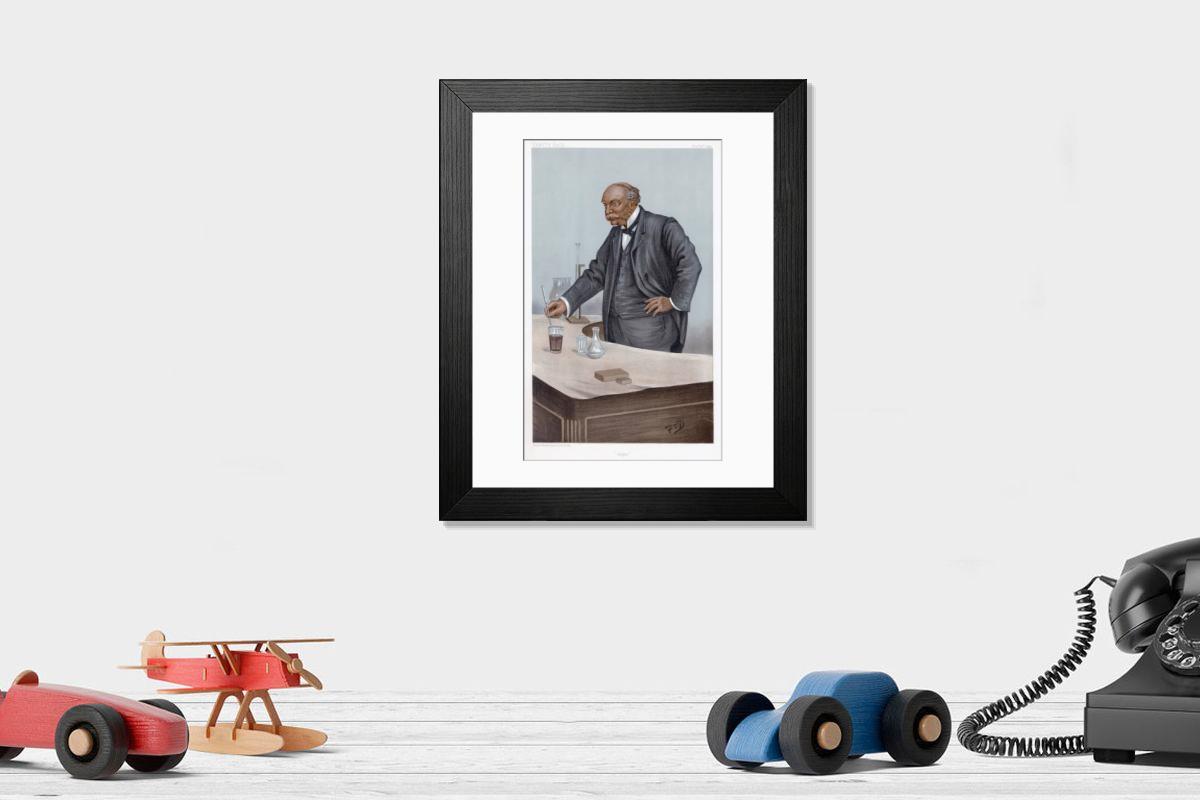
Framed Print of John William Strutt, 3rd Baron Rayleigh (1842-1919) British physicist. Nobel Prize for Physics 1904
John William Strutt, 3rd Baron Rayleigh (1842-1919). British physicist. Nobel Prize for Physics 1904. Discovered the element Argon, one of the noble (inert) gases. Cartoon from Vanity Fair, London, December 1899, showing him lecturing. Universal Images Group (UIG) manages distribution for many leading specialist agencies worldwide. © Universal History Archive/Universal Images Group
Artwork supplied by Universal Images Group
Your chosen combination is quickly and professionally made to order, our shipping page has more details
If you are not entirely happy with your items, simply return them to us within 30 days for a replacement or full refund. Please read our full returns policy.
Media ID 9784201
Editors Comments
Bring a piece of scientific history into your home with our Framed Print featuring John William Strutt, 3rd Baron Rayleigh (1842-1919). This elegant and sophisticated print, sourced from Universal Images Group (UIG), shows an image of the renowned British physicist, who was awarded the Nobel Prize for Physics in 1904 for his discovery of the inert gas Argon. Add this inspiring addition to your decor, and celebrate the groundbreaking achievements of one of the greatest scientific minds of all time.
This artwork is also available as...
Photo Prints - Bring a piece of scientific history into your home with our Photographic Print of John William Strutt, 3rd Baron Rayleigh (1842-1919). This black and white image shows the renowned British physicist, who was awarded the Nobel Prize for Physics in 1904 for his discovery of the element Argon, one of the noble gases. Add this inspiring print to your office or study, and let the intriguing story of Lord Rayleigh's groundbreaking achievements ignite your curiosity and fuel your passion for science.
Greetings Cards - Discover the fascinating story of John William Strutt, 3rd Baron Rayleigh, a renowned British physicist who won the Nobel Prize for Physics in 1904. Our Greetings Cards feature this remarkable figure and highlight his groundbreaking discovery of Argon, one of the noble gases. Perfect for science enthusiasts and history buffs alike.
Photo Mugs - Bring a piece of scientific history to your morning routine with our Photo Mug featuring the esteemed British physicist, John William Strutt, 3rd Baron Rayleigh. Known for his groundbreaking discoveries, including the element Argon and the Nobel Prize in Physics in 1904, this mug is a perfect tribute to his legacy. With an image of Lord Rayleigh printed on both sides, this mug is not only functional but also a conversation starter. Embrace your inner scientist and enjoy your favorite beverage in style.
Poster Prints - Bring the legacy of Nobel laureate John William Strutt, 3rd Baron Rayleigh (1842-1919) into your home or office with our poster prints. This image, sourced from Universal Images Group (UIG), shows the renowned British physicist who made groundbreaking discoveries in the field of physics. Known for his work on the density of gases and liquids, Rayleigh was a pioneer in the discovery of the noble gas Argon. Add this inspiring and educational poster to your collection and honor the remarkable scientific achievements of this Nobel Prize winner.
Metal Prints - Bring a piece of scientific history into your home with our Metal Print featuring John William Strutt, 3rd Baron Rayleigh. This iconic image of the renowned British physicist, Nobel Laureate for Physics in 1904, shows his timeless legacy. Known for his discovery of the inert gas Argon, Rayleigh's groundbreaking work in the field of physics continues to inspire and influence scientific exploration. Our metal print is an addition to any room, combining colors and exceptional detail for a truly display. Order yours today and celebrate the brilliance of scientific discovery.
Canvas Prints - Bring the legacy of Nobel Prize-winning physicist, John William Strutt, 3rd Baron Rayleigh (1842-1919), into your home with our Canvas Prints. This image, featuring Lord Rayleigh in his prime, shows his groundbreaking achievements, including the discovery of the noble gas Argon. Each Canvas Print is meticulously crafted using premium materials and high-definition imagery from Universal Images Group (UIG), ensuring a long-lasting display. Elevate your space with this inspiring tribute to scientific innovation.
Cushions - Cushions featuring John William Strutt, 3rd Baron Rayleigh, a renowned British physicist who received the Nobel Prize for Physics in 1904 for discovering Argon, one of the noble gases. Add a touch of scientific elegance to your living space with these distinctive Cushions.
Mouse Mats - premium Mouse Mats, featuring iconic scientific figures like John William Strutt, 3rd Baron Rayleigh, a renowned British physicist who won the Nobel Prize for Physics in 1904 and discovered the element Argon. Perfect for gamers and professionals alike, these mats provide comfort and precision mouse control.
Tote Bags - Tote Bags featuring John William Strutt, 3rd Baron Rayleigh, a renowned British physicist who won the Nobel Prize for Physics in 1904 and discovered the element Argon. Perfect for book lovers and science enthusiasts, these eco-friendly Tote Bags make great gifts or everyday essentials.
Image Download - Download high-resolution image of John William Strutt, 3rd Baron Rayleigh (1842-1919), British physicist who won the Nobel Prize for Physics in 1904. He is known for discovering the element Argon, a noble gas. Suitable for web use, television, editorial content and more with non-exclusive rights available.
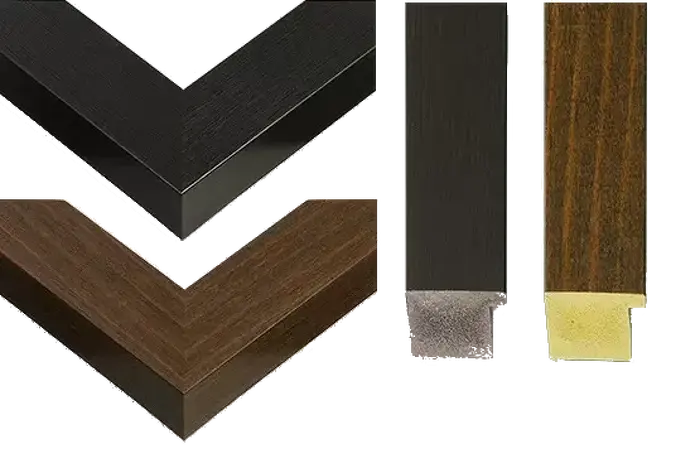
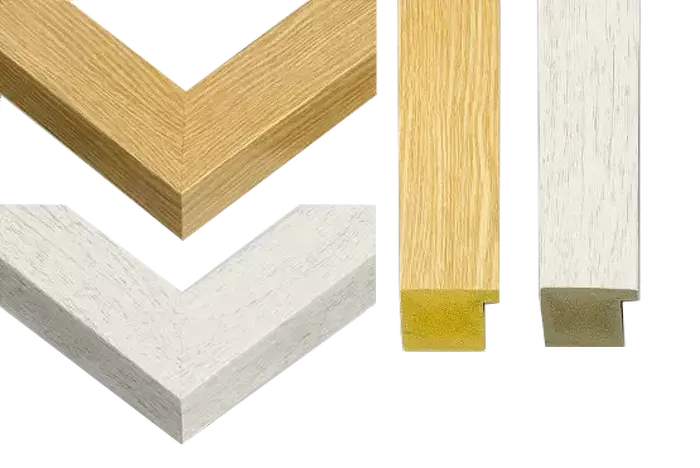
Modern Frame 14"x12" (36x31cm)
Ready to Hang Contemporary Framed Prints adds style, protection, and a polished touch to your space - effortlessly.
Your artwork will be printed as shown in the preview. To adjust please select Edit Printed Image under the Buy button
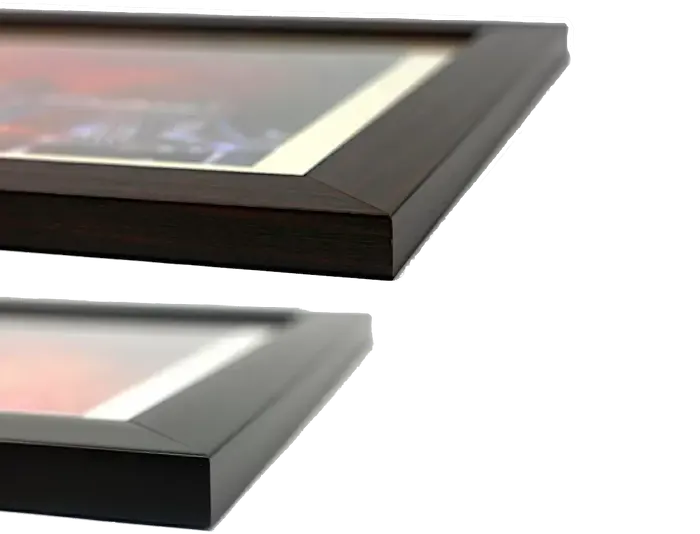
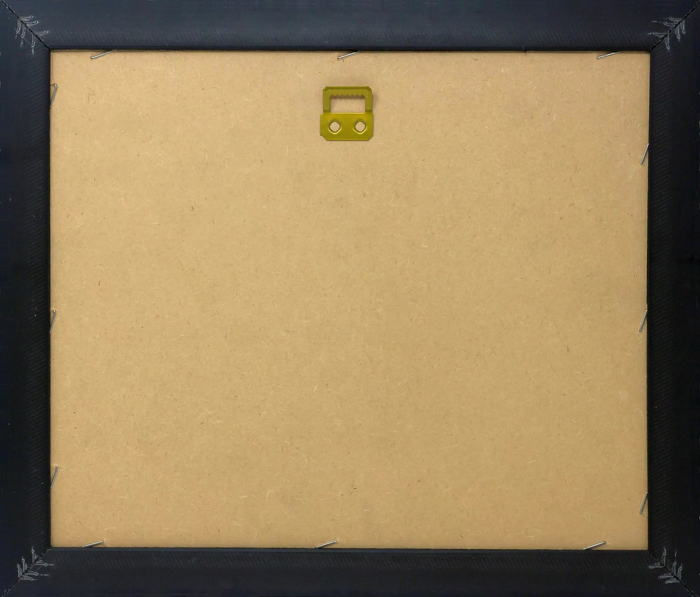
Wood effect frame, card mounted, 10x8 fade resistant photo print. Overall outside dimensions 14x12 inches (36x31cm). Environmentally and ozone friendly, 40mm wide x 15mm Polycore® moulding has the look of real wood, is durable and light and easy to hang. Biodegradable and made with non-chlorinated gases (no toxic fumes) it is efficient; producing 100 tons of polystyrene can save 300 tons of trees! Prints are glazed with lightweight, shatterproof, optical clarity acrylic (providing the same general protection from the environment as glass). The back is stapled hardboard with a sawtooth hanger attached. Note: measurements provided are estimated outer dimensions, which include both the image and the frame. While we aim to keep sizing consistent, exact dimensions may vary slightly due to differences in print size or production requirements, which may result in a variation in the overall size (up to approximately 2.5cm (1"))
These are individually made so all sizes are approximate
Estimated Image Size (if not cropped) is 15.1cm x 24.4cm (5.9" x 9.6")
Estimated Product Size is 31cm x 36cm (12.2" x 14.2")
Features In These Collections
> Arts > Artists > S > William Strutt