

Framed Prints From Universal Images Group
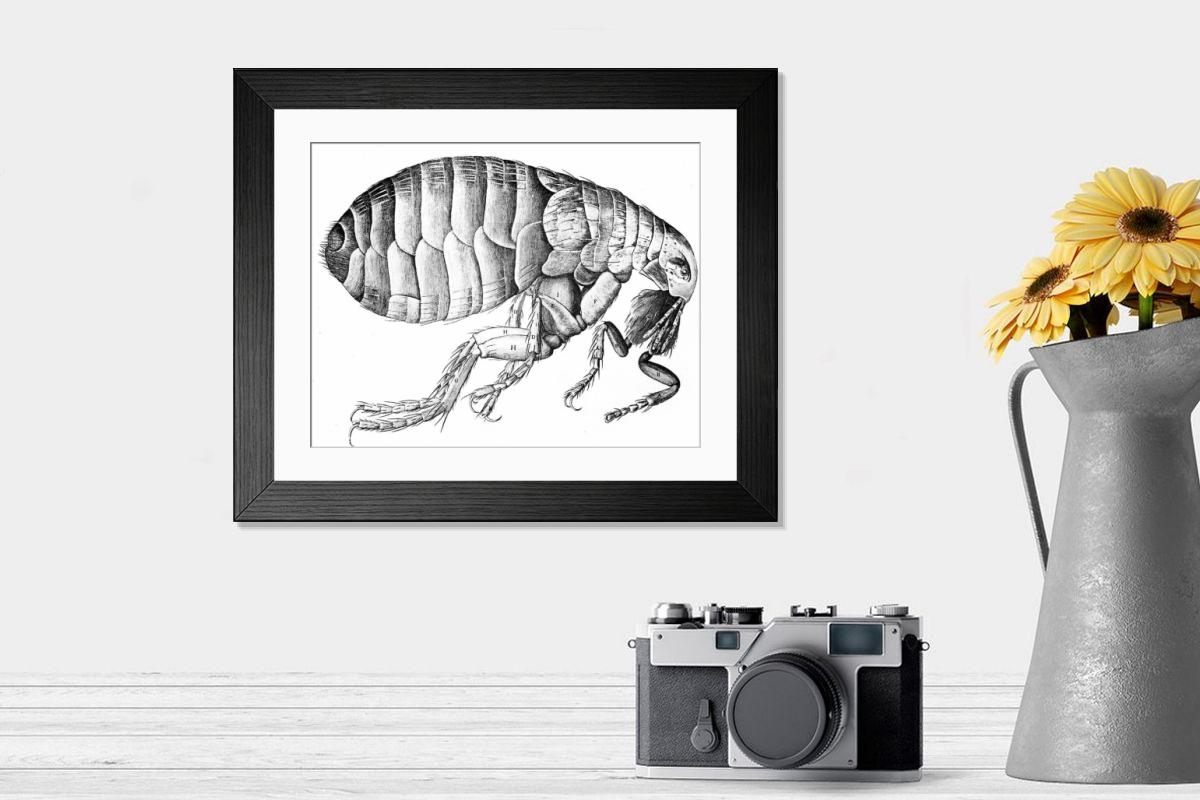
Framed Print of The Flea. Engraving from Robert Hooke Micrographia London 1665. Wingless bloodsucking
The Flea. Engraving from Robert Hooke Micrographia London 1665. Wingless bloodsucking, parasitic insect. Human flea (Pulex irritans) can transmit plague. Universal Images Group (UIG) manages distribution for many leading specialist agencies worldwide. © Universal History Archive/Universal Images Group
Artwork supplied by Universal Images Group
Your chosen combination is quickly and professionally made to order, our shipping page has more details
If you are not entirely happy with your items, simply return them to us within 30 days for a replacement or full refund. Please read our full returns policy.
Media ID 9767537
Editors Comments
Framed Prints of fascinating scientific art. This piece features 'The Flea' engraving from Robert Hooke's Micrographia, London 1665, showcasing the wingless bloodsucking insect that transmits the plague. Perfect for science enthusiasts and history buffs, our Framed Prints are an addition to any room.
This artwork is also available as...
Photo Prints - Discover the fascinating world of microscopic organisms with Media Storehouse's Photographic Prints. This image is taken from Robert Hooke's seminal work, "Micrographia," published in London in 1665. The print shows an engraving of "The Flea," a parasitic insect that has fascinated scientists and the public alike for centuries. Known for its ability to transmit diseases such as plague, this wingless bloodsucker is a key player in the history of microbiology. Add this intriguing print to your collection and explore the wonders of the microscopic world.
Greetings Cards - Add a touch of history to your greetings with our cards featuring 'The Flea' engraving from Robert Hooke's Micrographia, London 1665. This fascinating illustration shows the wingless bloodsucking insect, highlighting its parasitic nature and role in transmitting the plague. Perfect for science enthusiasts and those who appreciate vintage style.
Photo Mugs - Photo Mugs featuring historical engravings, such as 'The Flea' from Robert Hooke's Micrographia London 1665. Perfect for science enthusiasts and nature lovers, our Photo Mugs make thoughtful gifts or personal treasures showcasing fascinating insect illustrations in a coffee mug.
Poster Prints - Discover the intriguing world of microscopic organisms with Media Storehouse's Poster Prints featuring "The Flea" from Robert Hooke's Micrographia. This engraving, published in London in 1665, provides a detailed and fascinating glimpse into the world of parasitic insects. Depicting a wingless flea (Pulex irritans) in its unyielding quest for blood, this print is a testament to the beauty and complexity of nature. Bring the wonders of science into your home or office with this striking and informative poster print from Media Storehouse and Universal Images Group.
Metal Prints - Metal Prints featuring historic engravings like 'The Flea' from Robert Hooke's Micrographia, published in London 1665. This striking image shows a wingless bloodsucking insect, highlighting the importance of entomology and scientific illustration. Perfect for nature enthusiasts and art collectors, our Metal Prints offer durable, long-lasting metal prints that add a touch of sophistication to any room.
Canvas Prints - Discover the intriguing world of microscopic wonders with our Canvas Prints featuring Robert Hooke's iconic engraving of The Flea from his groundbreaking work, "Micrographia" (1665). This image, courtesy of Universal Images Group (UIG), shows the detailed structure of a wingless, bloodsucking flea (Pulex irritans) - a parasitic insect infamous for transmitting diseases such as plague. Bring this fascinating piece of scientific history into your home or office and ignite curiosity and conversation with every glance. Order your Media Storehouse Canvas Print of The Flea today!
Cushions - Step into a world of wonder and awe with our cushions, featuring illustrations from the past. This piece, "The Flea", is an engraving from Robert Hooke's groundbreaking book 'Micrographia' published in 1665. A testament to human curiosity and innovation, it reminds us that even the smallest creatures can hold the greatest secrets. Bring a touch of history and whimsy into your home with our cushions, perfect for adding a conversation-starting element to any room.
Mouse Mats - Mouse Mats featuring "The Flea" engraving from Robert Hooke's Micrographia, a 17th-century scientific masterpiece. This design shows the microscopic world and adds an educational touch to any office setup. Perfect for gamers, programmers, and anyone looking for a functional mousepad that sparks curiosity about science and history.
Tote Bags - Elevate your eco-friendly style with our Tote Bags featuring an antique engraving of a flea from Robert Hooke's Micrographia, London 1665. Perfect for book lovers and science enthusiasts, these reusable Tote Bags are made from durable materials ideal for grocery shopping, travel or daily use.
Image Download - Download high-resolution image of The Flea, an engraving from Robert Hooke's Micrographia London 1665. This illustration depicts a wingless bloodsucking parasitic insect, the human flea (Pulex irritans), which can transmit the plague. Available for web use, television, editorial and advertising purposes with non-exclusive rights.
Modern Frame 14"x12" (36x31cm)
Ready to Hang Contemporary Framed Prints adds style, protection, and a polished touch to your space - effortlessly.
Your artwork will be printed as shown in the preview. To adjust please select Edit Printed Image under the Buy button
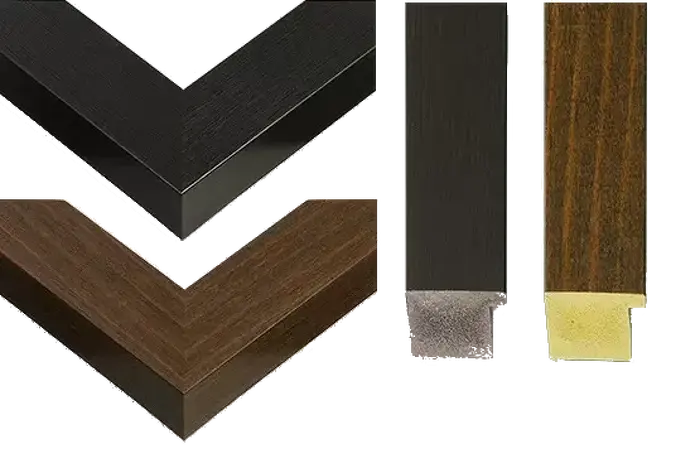
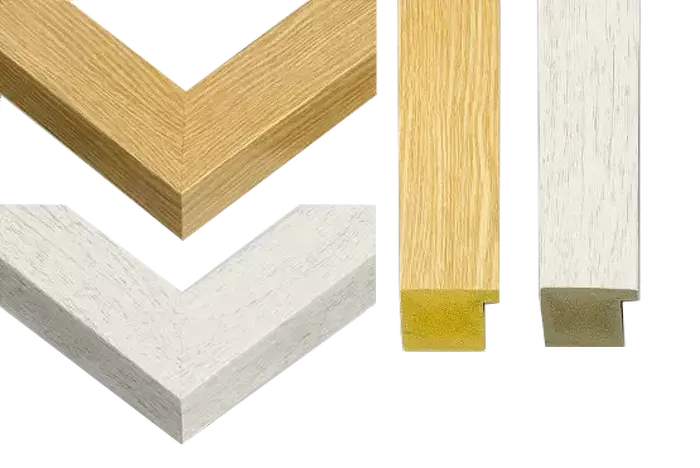
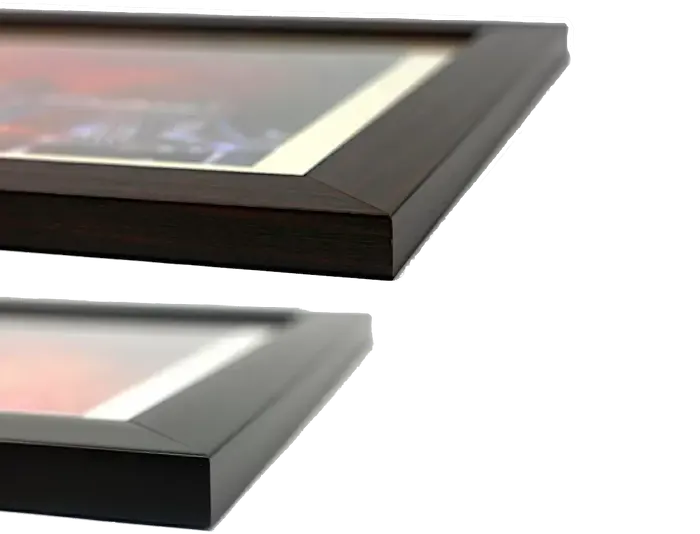
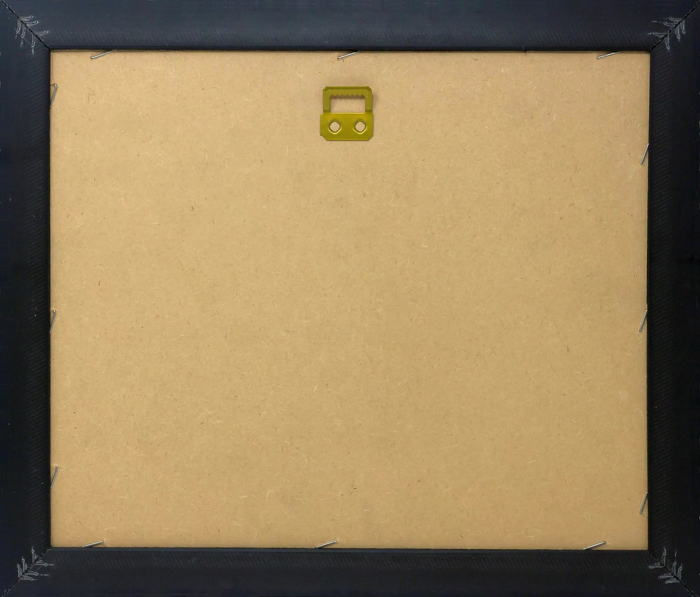
Wood effect frame, card mounted, 10x8 fade resistant photo print. Overall outside dimensions 14x12 inches (36x31cm). Environmentally and ozone friendly, 40mm wide x 15mm Polycore® moulding has the look of real wood, is durable and light and easy to hang. Biodegradable and made with non-chlorinated gases (no toxic fumes) it is efficient; producing 100 tons of polystyrene can save 300 tons of trees! Prints are glazed with lightweight, shatterproof, optical clarity acrylic (providing the same general protection from the environment as glass). The back is stapled hardboard with a sawtooth hanger attached. Note: measurements provided are estimated outer dimensions, which include both the image and the frame. While we aim to keep sizing consistent, exact dimensions may vary slightly due to differences in print size or production requirements, which may result in a variation in the overall size (up to approximately 2.5cm (1"))
These are individually made so all sizes are approximate
Estimated Image Size (if not cropped) is 24.4cm x 19.1cm (9.6" x 7.5")
Estimated Product Size is 36cm x 31cm (14.2" x 12.2")
Features In These Collections
> Animals > Insects > Fleas > Human Flea
> Europe > United Kingdom > England > London > Related