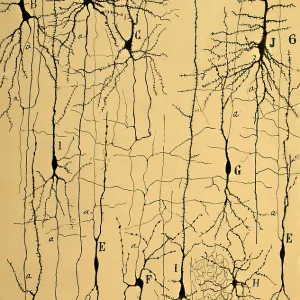
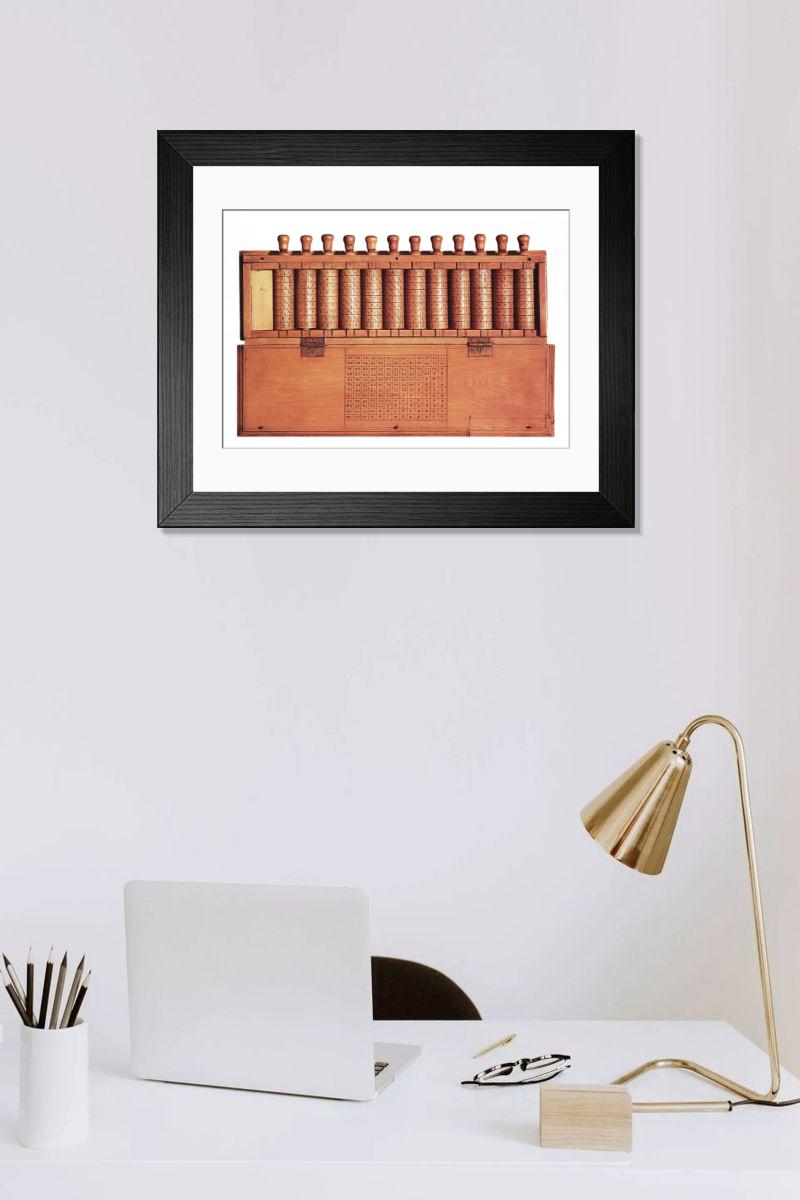
Print of Napier's Bones, a manually-operated calculating device




Framed Prints From ScienceSource
This artwork is available as
Framed Print of Napier's Bones
Napier's bones is a manually-operated calculating device created by John Napier of Merchiston for calculation of products and quotients of numbers. The method was based on Arab mathematics and the lattice multiplication used by Matrakci Nasuh in the Umdet-ul Hisab and Fibonacci's work in his Liber Abaci. The technique was also called Rabdology. Napier published his version in 1617 in Rabdologiae. © NYPL / Science Source
Artwork Licensed From ScienceSource (1157292)
Your chosen combination is quickly and professionally made to order - Shipping & Delivery Details
If you are not entirely happy with your items, simply return them to us within 30 days for a replacement or full refund - 30 Day Returns
Media ID 47330800
Editors' Comments
Unlock the secrets of the past with our framed prints, featuring 'Napier's Bones' - a remarkable manually-operated calculating device created by John Napier. This ingenious invention paved the way for modern mathematics and technology, reminding us that even in ancient times, innovation and ingenuity knew no bounds. Bring a touch of historical wonder into your home or office with this piece.
Unlock the secrets of Renaissance mathematics with these intricate prints of Napier's Bones, a groundbreaking calculating device that revolutionized arithmetic in the 17th century.
This artwork is also available as...
Photo Prints - Unlock the secrets of the past with our prints from the Media Storehouse range. This image, "Napier's Bones", shows a remarkable manually-operated calculating device created by John Napier of Merchiston. A testament to human ingenuity and innovation, Napier's Bones is a fascinating piece of history that continues to inspire and educate us today. Bring a touch of mathematical magic into your home with this print.
Greetings Cards - Mathematics meets art in our range of Greetings Cards. This image of 'Napier's Bones' by NYPL from ScienceSource takes us back to a time when innovation and ingenuity knew no bounds. A manually-operated calculating device created by the brilliant John Napier, this historic artifact is a testament to human curiosity and determination. Share your appreciation for the beauty of science with loved ones using these cards.
Photo Mugs - Personalize your morning routine with Photo Mugs featuring designs. This Photo Mug shows 'Napier's Bones', a historic calculating device created by John Napier, perfect for math enthusiasts and history buffs. Add a touch of science to your daily coffee or tea routine with our custom Photo Mugs, ideal for gifts or personal use.
Poster Prints - Poster Prints of 'Napier's Bones', a manually-operated calculating device created by John Napier for calculation of products and quotients. Perfect for math enthusiasts, science lovers, and history buffs. Add an educational touch to your home or office decor with these fascinating Poster Prints.
Metal Prints - Metal Prints featuring 'Napier's Bones', a historic calculating device created by John Napier of Merchiston, now available from ScienceSource at the New York Public Library. Our Metal Prints are durable, long-lasting and perfect for math enthusiasts and history buffs alike, adding a touch of industrial chic to any room.
Canvas Prints - Canvas Prints featuring 'Napier's Bones', a manually-operated calculating device created by John Napier of Merchiston for calculation of products and quotients. Perfect for math enthusiasts, history buffs, and art lovers alike, our Canvas Prints bring vintage charm to any room.
Cushions - Cushions featuring 'Napier's Bones', a historical calculating device from the New York Public Library's ScienceSource collection, showcasing John Napier's innovative 17th-century design for multiplication and division calculations, adding a touch of mathematical elegance to any room while providing comfort and style.
Mouse Mats - Step into the world of mathematical wonder with our mouse mats. Inspired by the ingenious 'Napier's Bones', a 17th-century calculating device, these designs bring a touch of history and innovation to your workspace. Let the elegance of science and math inspire you as you work.
Tote Bags - Elevate your daily essentials with our Tote Bags featuring "Napier's Bones" by NYPL from ScienceSource, a manually-operated calculating device created by John Napier for calculation of products and quotients of numbers. Perfect for book lovers and math enthusiasts, these eco-friendly Tote Bags are ideal for grocery shopping, work commutes, or as a reusable bag for school.
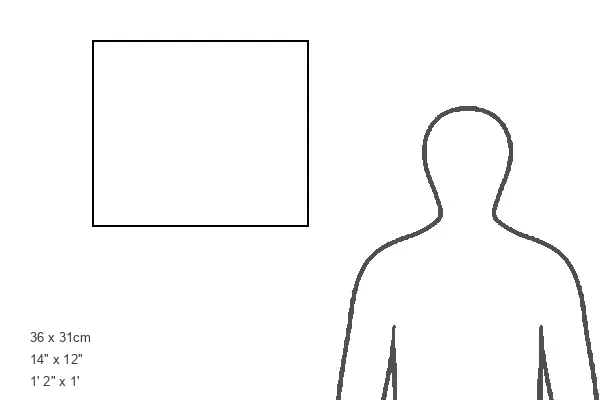
Modern 14"x12" (36x31cm)
Ready to Hang Contemporary Framed Prints adds style, protection, and a polished touch to your space - effortlessly.
Your artwork will be printed as shown in the preview. To adjust please select Print Options under the Buy button
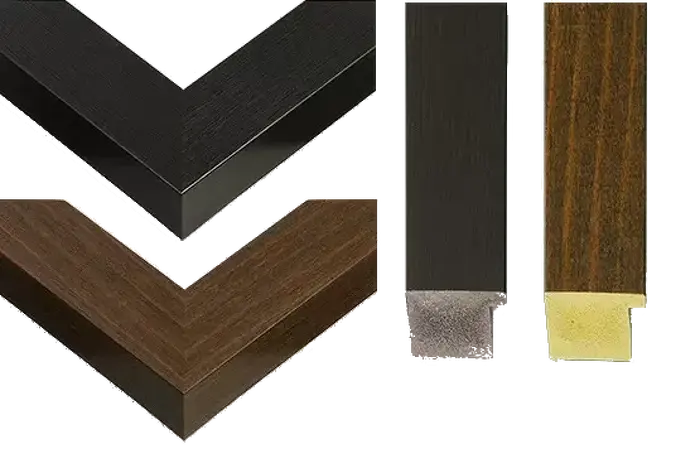
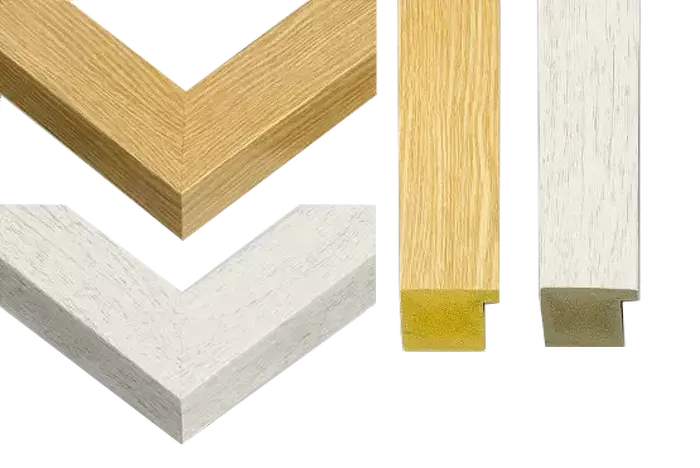
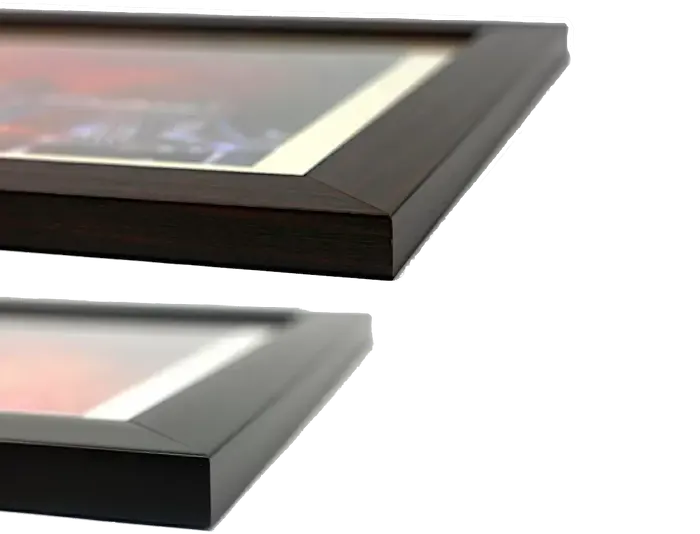
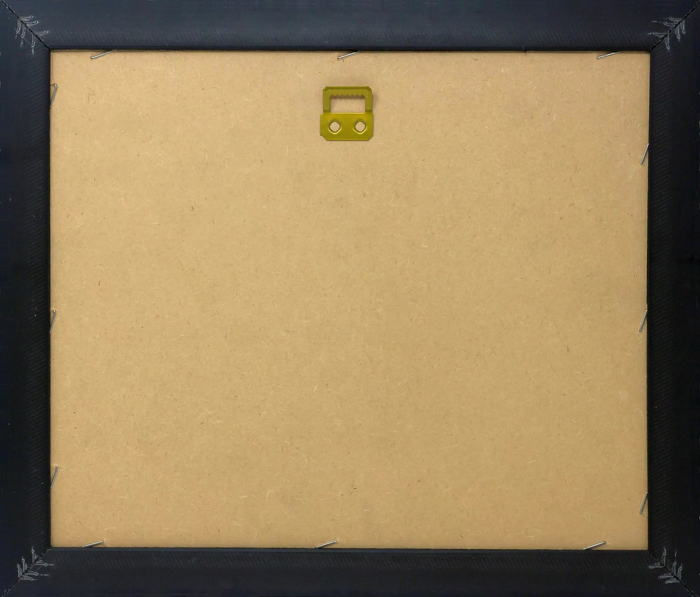
Wood effect frame, card mounted, 10x8 fade resistant photo print. Overall outside dimensions 14x12 inches (36x31cm). Environmentally and ozone friendly, 40mm wide x 15mm Polycore® moulding has the look of real wood, is durable and light and easy to hang. Biodegradable and made with non-chlorinated gases (no toxic fumes) it is efficient; producing 100 tons of polystyrene can save 300 tons of trees! Prints are glazed with lightweight, shatterproof, optical clarity acrylic (providing the same general protection from the environment as glass). The back is stapled hardboard with a sawtooth hanger attached. Note: measurements provided are estimated outer dimensions, which include both the image and the frame. While we aim to keep sizing consistent, exact dimensions may vary slightly due to differences in print size or production requirements, which may result in a variation in the overall size (up to approximately 2.5cm (1"))
These are individually made so all sizes are approximate
Estimated Image Size (if not cropped) is 24.4cm x 16.8cm (9.6" x 6.6")
Estimated Product Size is 36cm x 31cm (14.2" x 12.2")
Features in These Collections
Home > Europe > United Kingdom > Scotland > Falkirk > Bo'ness
Home > ScienceSource > Nature, History, Science