

Framed Prints From Science Photo Library
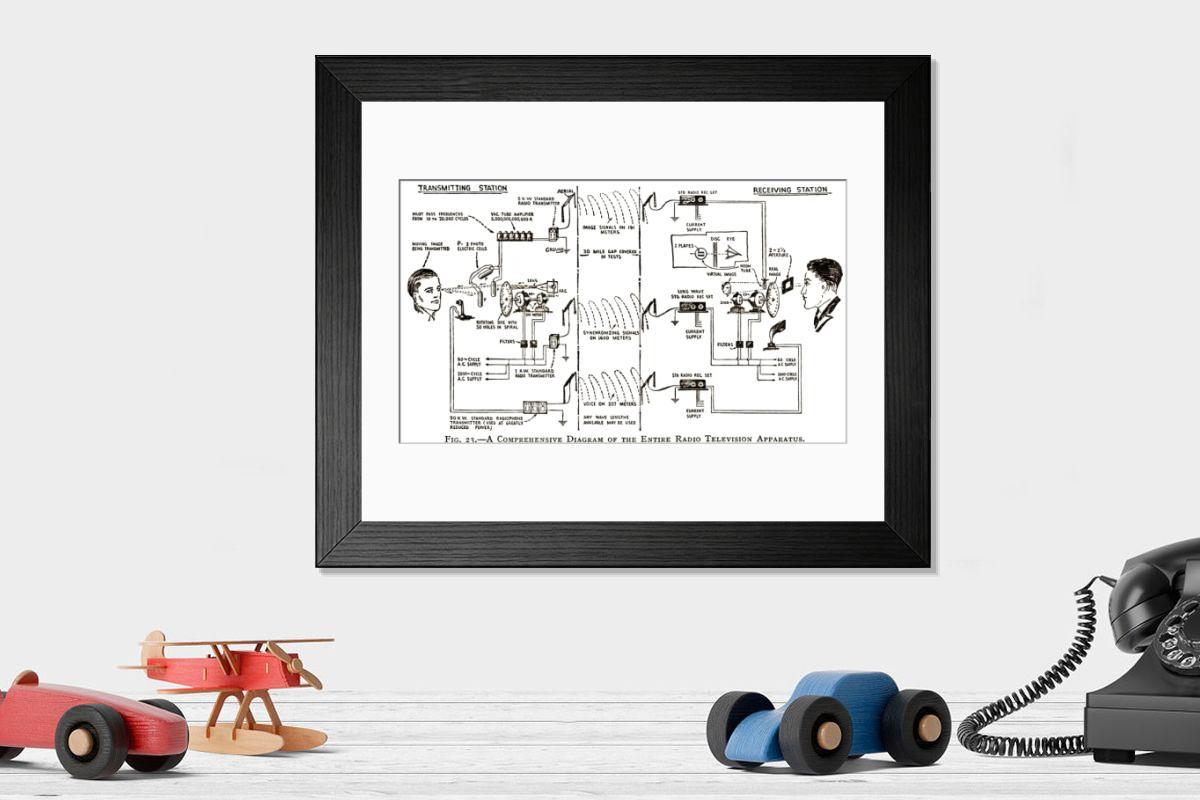
Framed Print of 1920s television system, diagram
1920s television system, diagram. This is the television system used by the Scottish engineer John Logie Baird (1888-1946), and first demonstrated in 1926. The transmitting apparatus is at left, and the receiving apparatus is at right. The system used a rotating mechanical disk with 50 holes in a spiral to break up the picture into areas to record and transmit. The information was transmitted using radio waves. At the receiver, the information is used to build up the image, which is observed through the holes of another rotating disc. Diagram published in Television (Dinsdale, 1928). Science Photo Library features Science and Medical images including photos and illustrations. © SHEILA TERRY/SCIENCE PHOTO LIBRARY
Artwork Licensed From Science Photo Library (STE)
Your chosen combination is quickly and professionally made to order, our shipping page has more details
If you are not entirely happy with your items, simply return them to us within 30 days for a replacement or full refund. Please read our full returns policy.
Media ID 6441579
Editors Comments
Step back in time with our vintage Framed Prints from the Media Storehouse collection. This diagram illustrates the groundbreaking 1920s television system, a pioneering invention by Scottish engineer John Logie Baird. Witness the intricate workings of history's first working television, as it unfolds in detail. A mesmerizing addition to any home or office, this print is not just a piece of art, but a testament to the ingenuity and innovation of the past. Bring the past to life with our beautifully crafted Framed Prints.
This artwork is also available as...
Photo Prints - Step back in time with our collection of vintage photographic prints. This image shows a diagram of the 1920s television system, an engineering marvel by Scottish inventor John Logie Baird. Witness the inception of television history with this intriguing and educational piece, perfect for any space yearning for a touch of nostalgia or a tech-focused decor. Experience the past, present, and future of television with this stunning, print from Science Photo Library.
Greetings Cards - Step back in time with our vintage-inspired Media Storehouse Greetings Cards. This design features a diagram of the 1920s television system, a groundbreaking invention by Scottish engineer John Logie Baird. Send a piece of history with these cards, perfect for technology enthusiasts, history buffs, or anyone who appreciates the beauty of innovation. Impress your loved ones with a thoughtful and nostalgic greeting.
Photo Mugs - Step back in time with our Photo Mug featuring a vintage 1920s television system diagram. This mug shows the intriguing history of television, as depicted in this Science Photo Library image of the pioneering system developed by Scottish inventor John Logie Baird. Ideal for coffee or tea breaks, each sip brings you closer to the fascinating world of early television technology. A must-have for history buffs, tech enthusiasts, or anyone who appreciates the beauty of innovation.
Poster Prints - Step back in time with our vintage-inspired Media Storehouse Poster Prints. Featuring an intriguing diagram of the 1920s television system, this print shows the groundbreaking innovation of Scottish engineer John Logie Baird. First demonstrated in 1926, this early television design brings a blend of history and technology to any space. Add a touch of nostalgia and conversation-starting charm to your home or office with this piece.
Metal Prints - Step back in time with Media Storehouse's Metal Prints featuring the iconic 1920s Television System diagram. Witness the groundbreaking innovation of Scottish engineer John Logie Baird, who first demonstrated this system in 1926. Our metal prints bring the history of television to your walls, with colors and detail that truly capture the essence of this pioneering technology. Add a touch of vintage charm to any room and start a conversation with this piece of art.
Canvas Prints - Canvas Prints of historic technology. Our '1920s television system, diagram' by Science Photo Library shows the pioneering work of John Logie Baird, first demonstrated in 1926. Perfect for tech enthusiasts and art lovers alike, these Canvas Prints are an addition to any room.
Cushions - Cushions featuring vintage 1920s television system diagrams. Inspired by John Logie Baird's pioneering work, these Cushions showcase the early days of television technology. Perfect for history buffs and design enthusiasts alike, our Cushions add a touch of nostalgia to any room.
Mouse Mats - Step back in time with our mouse mats, featuring a nostalgic glimpse into the early days of television. This 1920s television system diagram takes us on a journey through innovation and discovery, inspired by the pioneering work of Scottish engineer John Logie Baird. Add a touch of vintage charm to your workspace and celebrate the evolution of technology with every click.
Tote Bags - Tote Bags featuring vintage designs inspired by the 1920s television system, a pioneering innovation by John Logie Baird. Perfect for history buffs and tech enthusiasts, these reusable Tote Bags are ideal for grocery shopping, work or travel while showcasing your love for science and technology.
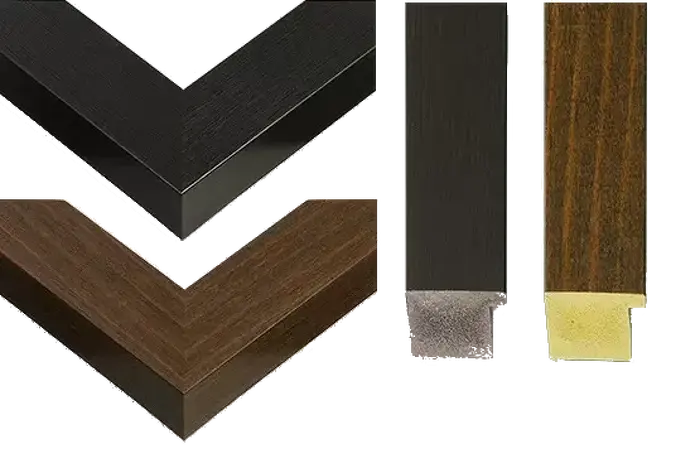
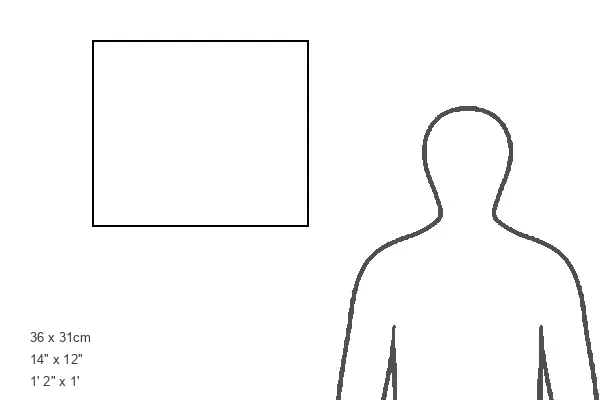
Modern Frame 14"x12" (36x31cm)
Ready to Hang Contemporary Framed Prints adds style, protection, and a polished touch to your space - effortlessly.
Your artwork will be printed as shown in the preview. To adjust please select Edit Printed Image under the Buy button
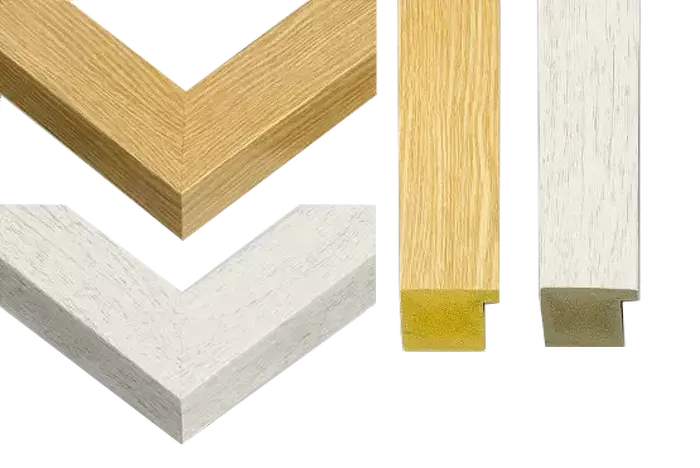
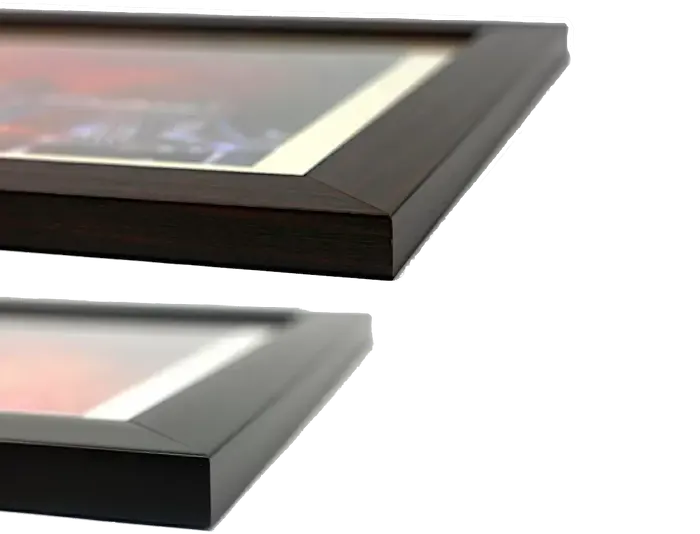
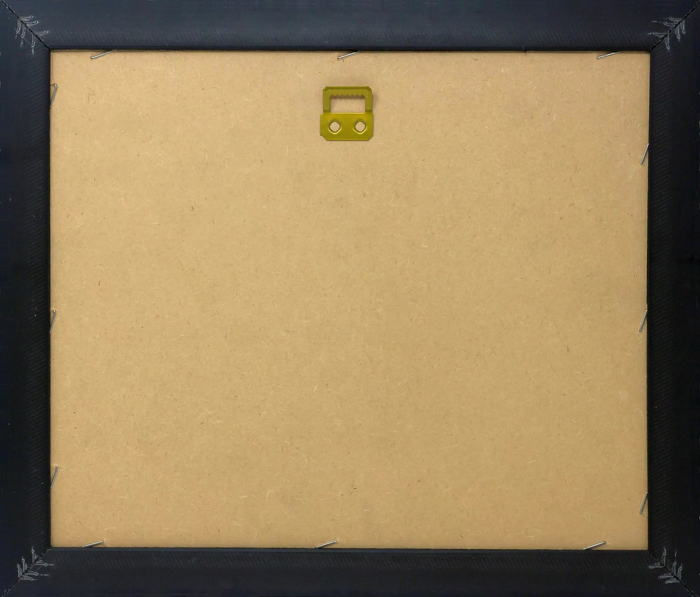
Wood effect frame, card mounted, 10x8 fade resistant photo print. Overall outside dimensions 14x12 inches (36x31cm). Environmentally and ozone friendly, 40mm wide x 15mm Polycore® moulding has the look of real wood, is durable and light and easy to hang. Biodegradable and made with non-chlorinated gases (no toxic fumes) it is efficient; producing 100 tons of polystyrene can save 300 tons of trees! Prints are glazed with lightweight, shatterproof, optical clarity acrylic (providing the same general protection from the environment as glass). The back is stapled hardboard with a sawtooth hanger attached. Note: measurements provided are estimated outer dimensions, which include both the image and the frame. While we aim to keep sizing consistent, exact dimensions may vary slightly due to differences in print size or production requirements, which may result in a variation in the overall size (up to approximately 2.5cm (1"))
These are individually made so all sizes are approximate
Estimated Image Size (if not cropped) is 24.4cm x 14.4cm (9.6" x 5.7")
Estimated Product Size is 36cm x 31cm (14.2" x 12.2")
Features In These Collections
> Arts > Television