Paul Gauguin's "Where Do We Come From?" Print


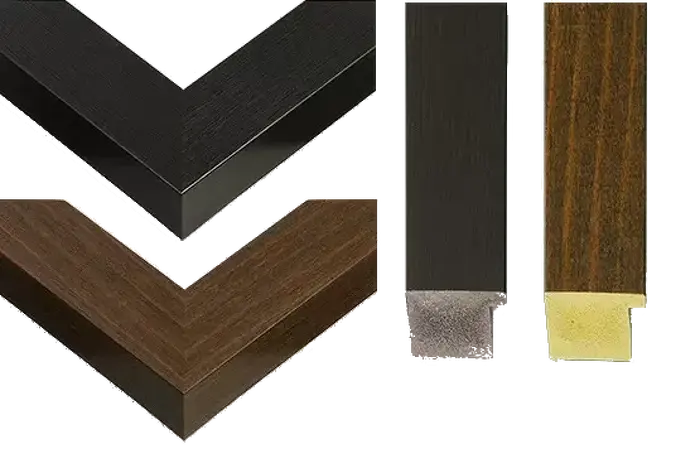
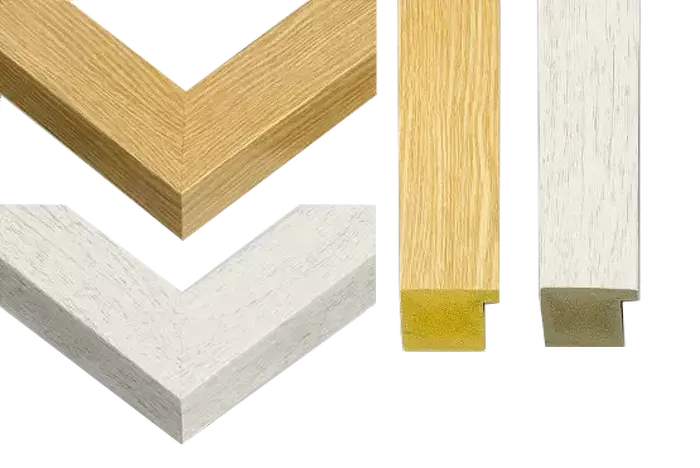
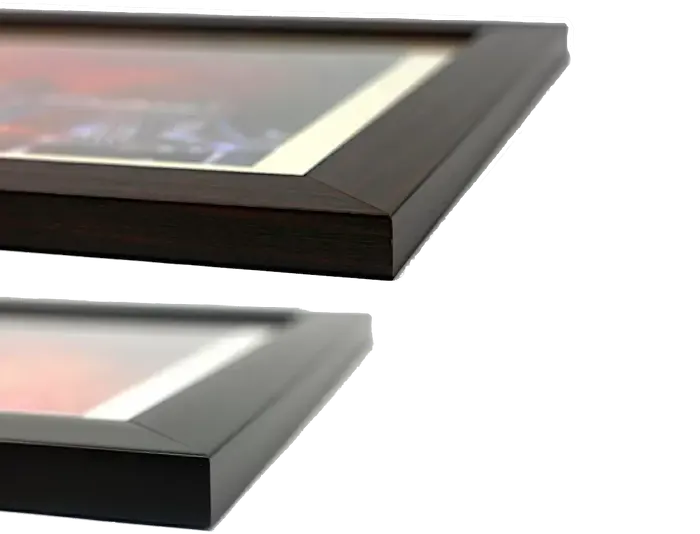


Framed Prints From imageBROKER
This artwork is available as
Framed Print of Where Do We Come From? What Are We? Where Are We Going? is one of Paul Gauguin's most famous paintings
Where Do We Come From? What Are We? Where Are We Going? is one of Paul Gauguin's most famous paintings. Gauguin indicated that the painting should be read from right to left, with the three major figure groups illustrating the questions posed in the title. The three women with a child represent the beginning of life, the middle group symbolizes the daily existence of young adulthood, and in the final group, according to the artist, an old woman approaching death appears reconciled and resigned to her thoughts, at her feet, a strange white bird...represents the futility of words. The blue idol in the background apparently represents what Gauguin described as the Beyond. Of its entirety he said, I believe that this canvas not only surpasses all my preceding ones, but that I shall never do anything better-or even like it'.
Paul Gauguin was born in Paris in 1848 and spent some of his childhood in Peru. He worked as a stockbroker with little success, and suffered from bouts of severe depression. He also painted. In 1891, Gauguin, frustrated by lack of recognition at home and financially destitute, sailed to the tropics to escape European civilization and everything that is artificial and conventional'. His time there, particularly in Tahiti and the Marquesas Islands, was the subject of much interest both then and in modern times due to his alleged sexual exploits. He was known to have had trysts with several native girls, some of whom appear as subjects of his paintings. Gauguin died on 8 May 1903 and is buried in Calvary Cemetery (Cimetiere Calvaire), Atuona, Hiva Oa, Marquesas Islands, French Polynesia
Where Do We Come From? What Are We? Where Are We Going? is one of Paul Gauguin's most famous paintings. Gauguin indicated that the painting should be read from right to left, with the three major figure groups illustrating the questions posed in the title. Explore the World Through imageBROKER Prints. © imageBROKER/Pictures From History
Artwork Licensed From imageBROKER (imageBROKER.com/13248429)
Your chosen combination is quickly and professionally made to order - Shipping & Delivery Details
If you are not entirely happy with your items, simply return them to us within 30 days for a replacement or full refund - 30 Day Returns
Media ID 43298512
South Pacific Island Life , Paul Gauguin Paintings , French Polynesian Culture , Woman In Art History
Editors' Comments
a touch of art history. Framed Prints bring the world's most iconic masterpieces to life, like Paul Gauguin's thought-provoking "Where Do We Come From? What Are We? Where Are We Going?" A masterpiece that sparks curiosity and inspires contemplation, this print is sure to be a conversation starter in any room.
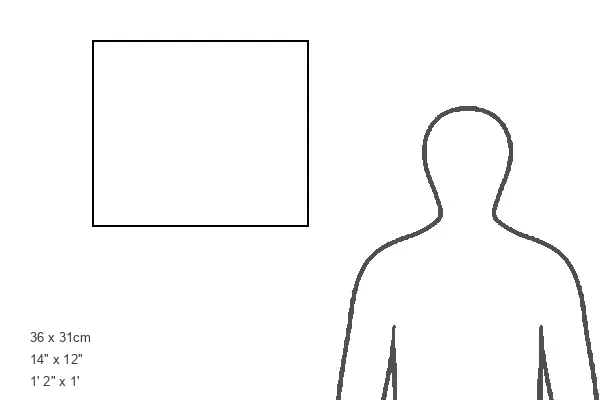
Modern 14"x12" (36x31cm)
Ready to Hang Contemporary Framed Prints adds style, protection, and a polished touch to your space - effortlessly.
Your artwork will be printed as shown in the preview. To adjust please select Print Options under the Buy button
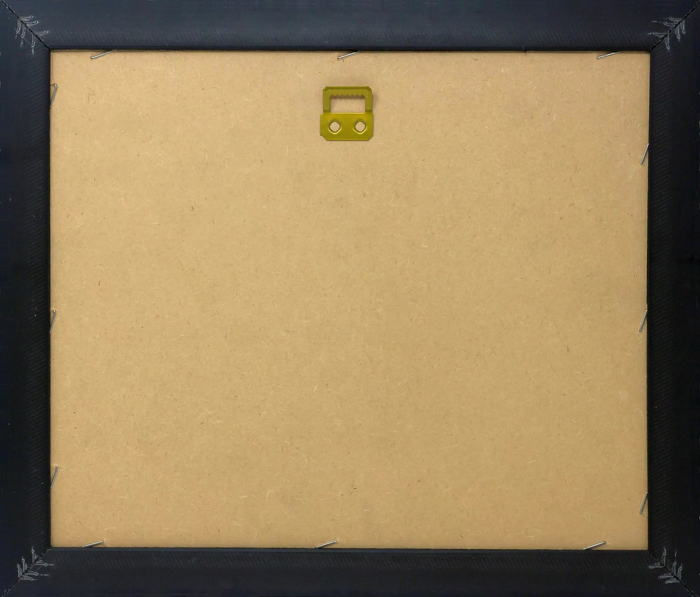
Wood effect frame, card mounted, 10x8 fade resistant photo print. Overall outside dimensions 14x12 inches (36x31cm). Environmentally and ozone friendly, 40mm wide x 15mm Polycore® moulding has the look of real wood, is durable and light and easy to hang. Biodegradable and made with non-chlorinated gases (no toxic fumes) it is efficient; producing 100 tons of polystyrene can save 300 tons of trees! Prints are glazed with lightweight, shatterproof, optical clarity acrylic (providing the same general protection from the environment as glass). The back is stapled hardboard with a sawtooth hanger attached. Note: measurements provided are estimated outer dimensions, which include both the image and the frame. While we aim to keep sizing consistent, exact dimensions may vary slightly due to differences in print size or production requirements, which may result in a variation in the overall size (up to approximately 2.5cm (1"))
These are individually made so all sizes are approximate
Estimated Image Size (if not cropped) is 24.4cm x 9.1cm (9.6" x 3.6")
Estimated Product Size is 36cm x 31cm (14.2" x 12.2")
Features in These Collections
Home > Arts > Artists > G > Paul Gauguin
Home > Arts > Artists > Paul Gauguin
Home > imageBROKER > Historic Illustrations EN