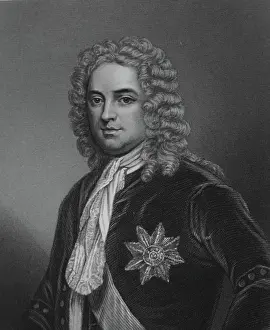
The Ngọ Mon Gate, Hue Citadel, 1833




Framed Prints From imageBROKER
This artwork is available as
Framed Print of The Ngọ Mon (Chinese character: 午門)
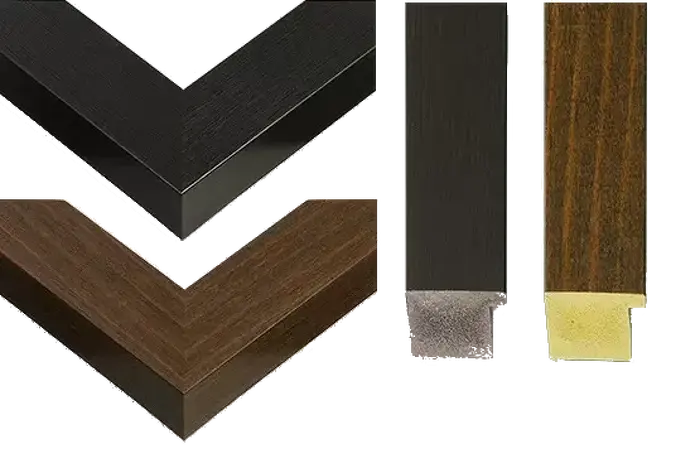
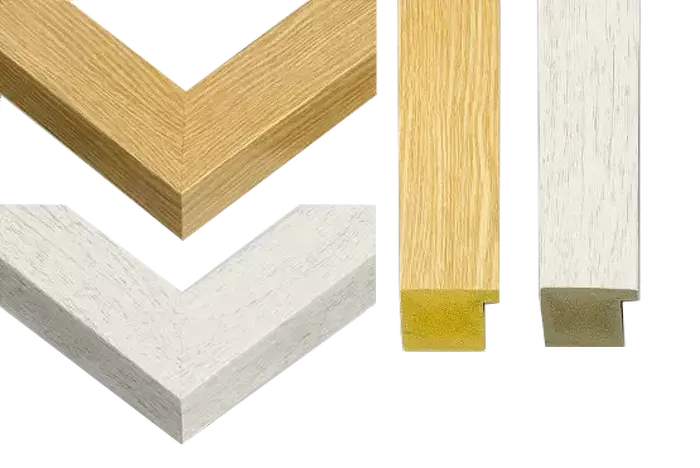
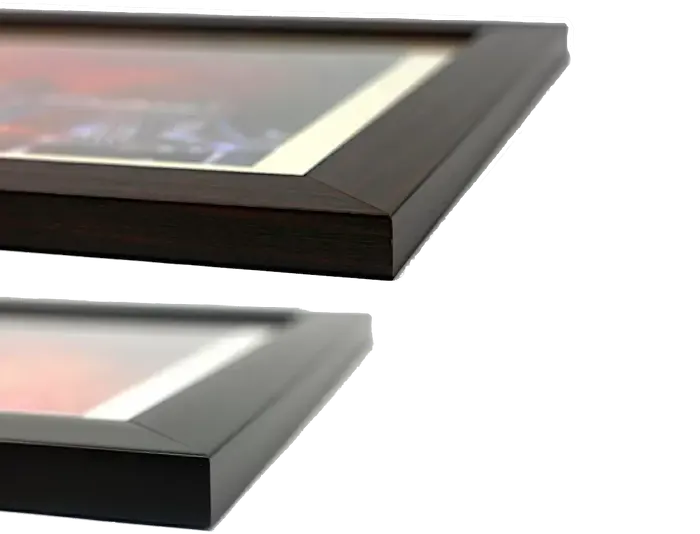
The Ngọ Mon (Chinese character: 午門), also known as the Gate of Noon, is the main gate to the Imperial City, Huế, located within the citadel of Huế. It was built in 1833 in the traditional Vietnamese Nguyen style under the rule of Emperor Minh Mang. Artwork Licensed From imageBROKER (imageBROKER.com/13288317) Your chosen combination is quickly and professionally made to order - Shipping & Delivery Details If you are not entirely happy with your items, simply return them to us within 30 days for a replacement or full refund - 30 Day Returns Media ID 46716066 Framed Prints featuring 'The Ngọ Mon' by David Henley from imageBROKER. This iconic artwork shows the main gate to the Imperial City in Huế, a representation of Chinese architecture and culture. Perfect for art lovers, collectors, or those seeking wall decor. Ready to Hang Contemporary Framed Prints adds style, protection, and a polished touch to your space - effortlessly. Your artwork will be printed as shown in the preview. To adjust please select Print Options under the Buy button Wood effect frame, card mounted, 10x8 fade resistant photo print. Overall outside dimensions 14x12 inches (36x31cm). Environmentally and ozone friendly, 40mm wide x 15mm Polycore® moulding has the look of real wood, is durable and light and easy to hang. Biodegradable and made with non-chlorinated gases (no toxic fumes) it is efficient; producing 100 tons of polystyrene can save 300 tons of trees! Prints are glazed with lightweight, shatterproof, optical clarity acrylic (providing the same general protection from the environment as glass). The back is stapled hardboard with a sawtooth hanger attached. Note: measurements provided are estimated outer dimensions, which include both the image and the frame. While we aim to keep sizing consistent, exact dimensions may vary slightly due to differences in print size or production requirements, which may result in a variation in the overall size (up to approximately 2.5cm (1")) These are individually made so all sizes are approximate Estimated Image Size (if not cropped) is 24.4cm x 14.6cm (9.6" x 5.7") Estimated Product Size is 36cm x 31cm (14.2" x 12.2") Home
> Architecture
> Related
Home
> Asia
> Vietnam
> Related
Emperor Gia Long ordered the construction of Hue Citadel in 1805. The vast complex is built according to the notions of fengshui or Chinese geomancy, but following the military principles of the noted 18th century French military architect Sebastien de Vauban. The result is an unusual and elegant hybrid, a Chinese-style Imperial City carefully aligned with surrounding hills, islands and waterways, but defended by massive brick walls between 6-12 metres high and 2.5 metres thick, punctuated by towers, ramparts, a massive earth glacis, and 24 Vauban-inspired bastions.
The entire complex was further protected by wide moats, crossed by gracefully arched stone bridges leading to ten gates, the chief of which is Cua Ngo Mon, the south-east facing Meridian Gate'. To compound the exotic hybrid effect, guard posts designed as Chinese-style miradors, complete with sweeping eaves crowned by imperial dragons, surmounted each gate. Finally, directly in front of the Ngo Mon Gate, a massive brick fort 18 metres high was constructed both as an additional barrier against malign spirits, and as a defensive redoubt.
The area within the Citadel - in all, 520 hectares (1300 acres) - comprises three concentric enclosures, the Civic, Imperial and Forbidden Purple Cities. Access is by way of ten fortified gates, each of which is reached by a low, arched stone bridge across the moat. In imperial times a cannon would sound at 5am and 9pm to mark the opening and closing of the gates.
Hue was the imperial capital of the Nguyen Dynasty between 1802 and 1945. The tombs of several emperors lie in and around the city and along the Perfume River. Hue is a UNESCO World Heritage Site
The Ng? Mn (Chinese character: ??), also known as the Gate of Noon, is the main gate to the Imperial City, Hu?, located within the citadel of Hu?. It was built in 1833 in the traditional Vietnamese Nguyen style under the rule of Emperor Minh Mang.
Editors' Comments
Modern 14"x12" (36x31cm)
Features in These Collections
You May Also Like