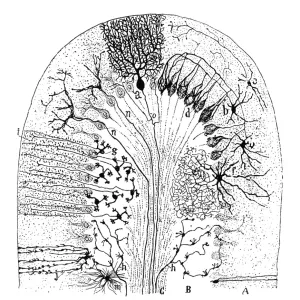
Cork Microstructure Print: Lengthwise and Crosswise Cell Wall Boundaries


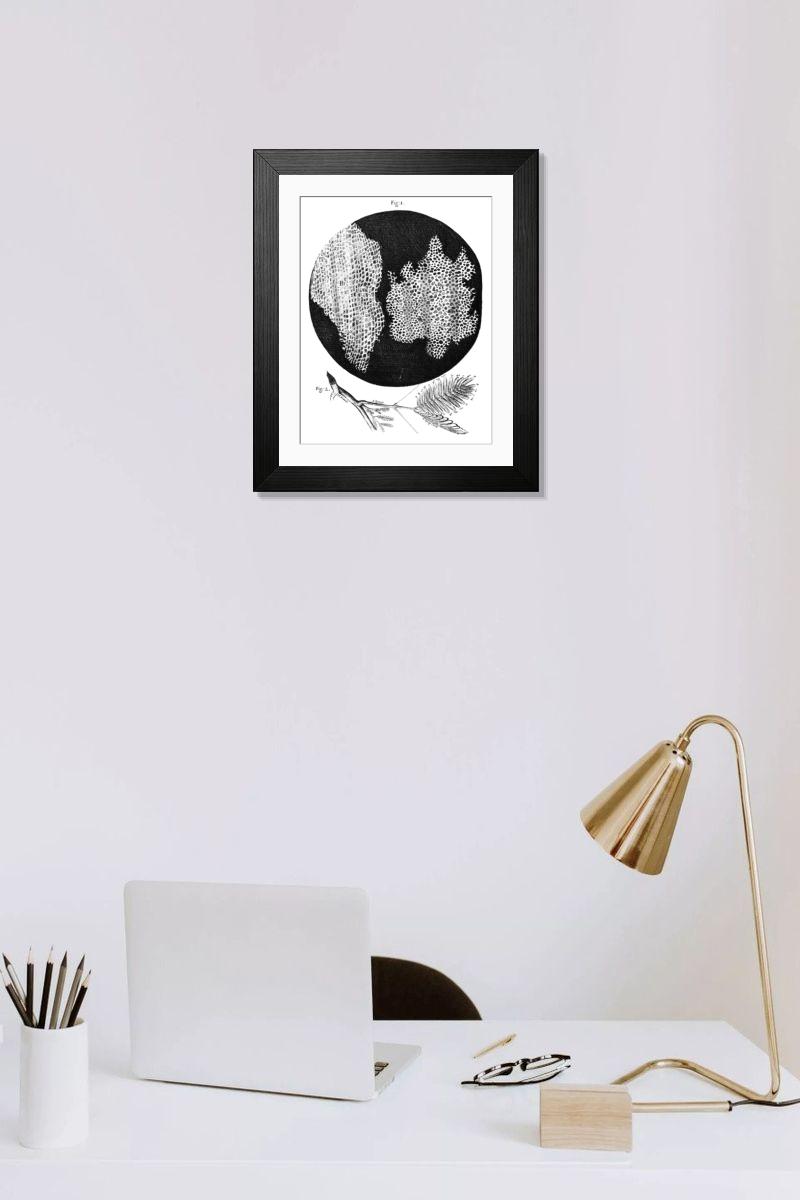


Framed Prints From Granger
This artwork is available as
Framed Print of The structure of cork as viewed under a microscope when cut lengthwise (left) and crosswise, showing the cellulae with walls bounding the cells - the first use of the word. Copper engraving from Robert Hookes Micrographia, 1665
HOOKE: STRUCTURE OF CORK.
The structure of cork as viewed under a microscope when cut lengthwise (left) and crosswise, showing the cellulae with walls bounding the cells - the first use of the word. Copper engraving from Robert Hookes Micrographia, 1665. Granger holds millions of images spanning more than 25,000 years of world history, from before the Stone Age to the dawn of the Space Age.
Artwork Licensed From Granger
Your chosen combination is quickly and professionally made to order - Shipping & Delivery Details
If you are not entirely happy with your items, simply return them to us within 30 days for a replacement or full refund - 30 Day Returns
Media ID 10408290
Editors' Comments
Framed Prints of historical scientific illustrations, such as 'The structure of cork' from Robert Hooke's Micrographia, 1665. This copper engraving shows the cellulae and cell walls under a microscope, offering a glimpse into the natural world. Perfect for science enthusiasts and art lovers alike.
Delicate, intricate patterns reveal the hidden world of cork in these 17th-century prints. Cut lengthwise and crosswise, the cell walls stand out against a microscopic landscape. A testament to Robert Hooke's groundbreaking work in Micrographia, this copper engraving invites us to explore the fascinating realm of botany and biology.
This artwork is also available as...
Photo Prints - Unlock the wonders of the microscopic world with our prints from Granger Art on Demand. This image, "The structure of cork as viewed under a microscope when cut lengthwise (left) and crosswise, showing the cellulae with walls bounding the cells - the first use of the word", shows Robert Hooke's groundbreaking discovery in 1665. A testament to human curiosity and innovation, this print is a reminder that even in the smallest details lies beauty and significance.
Greetings Cards - Greetings Cards featuring historical scientific illustrations, such as Robert Hooke's 1665 copper engraving of cork cell structure under a microscope, showcasing the first use of the word "cellulae". Perfect for nature lovers and science enthusiasts, these educational Greetings Cards make thoughtful gifts for birthdays, holidays and special occasions.
Photo Mugs - Personalize your Photo Mugs with images and showcase your love for science, history, or art. This image of cork cell structure from Robert Hooke's Micrographia (1665) makes a fascinating gift or office decoration. Order custom Photo Mugs online today and share your passion for learning with friends and family.
Poster Prints - Poster Prints of scientific history, featuring 'The Structure of Cork' by Robert Hooke from his 1665 book Micrographia, showcasing the pioneering use of microscopy in understanding cellular structure. Perfect for science enthusiasts and art lovers alike, these Poster Prints make a statement in any room.
Metal Prints - Metal Prints, a durable and modern way to showcase images like 'The structure of cork as viewed under a microscope' from 1665. This piece features copper engraving art, perfect for science enthusiasts and history buffs. Add industrial chic to any room with our Metal Prints.
Canvas Prints - Canvas Prints of fascinating scientific images, such as 'The structure of cork as viewed under a microscope', showcasing the intricate details and beauty of microscopic worlds. Perfect for science enthusiasts and art lovers alike, our Canvas Prints bring perspectives to any room.
Cushions - luxurious Cushions, adding comfort and style to any room. Featuring textures and designs, these cushions are perfect for sofas, armchairs, or ottomans. Discover the art of cushion making and explore various materials used in their construction, from soft fabrics to durable cork-inspired designs.
Mouse Mats - Immerse yourself in the fascinating world of science and discovery with our range of Mouse Mats. Inspired by the groundbreaking work of Robert Hooke, this design shows the intricate structure of cork as seen under a microscope. A testament to human curiosity and innovation, let these mouse mats be a reminder to explore, learn, and push beyond boundaries.
Tote Bags - Eco-friendly Tote Bags made from sustainable materials, perfect for grocery shopping and everyday use. Inspired by the natural structure of cork as viewed under a microscope in Robert Hooke's 1665 Micrographia, these reusable bags showcase a blend of functionality and environmental responsibility, ideal for reducing single-use plastic waste and promoting sustainable living practices.
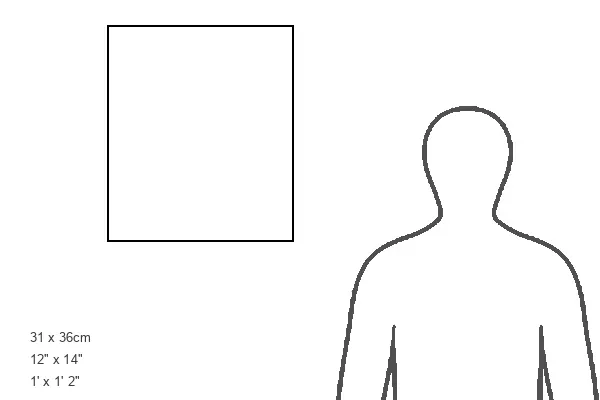
Modern 14"x12" (36x31cm)
Ready to Hang Contemporary Framed Prints adds style, protection, and a polished touch to your space - effortlessly.
Your artwork will be printed as shown in the preview. To adjust please select Print Options under the Buy button
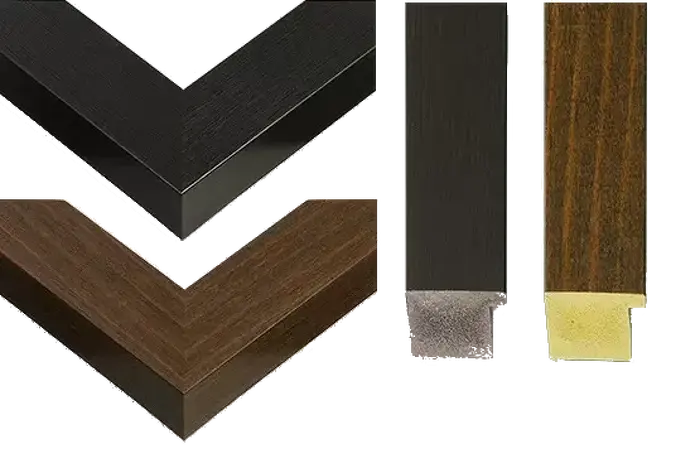
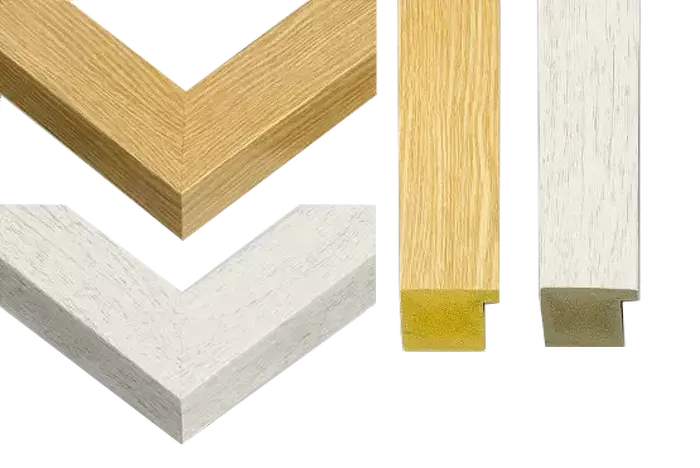
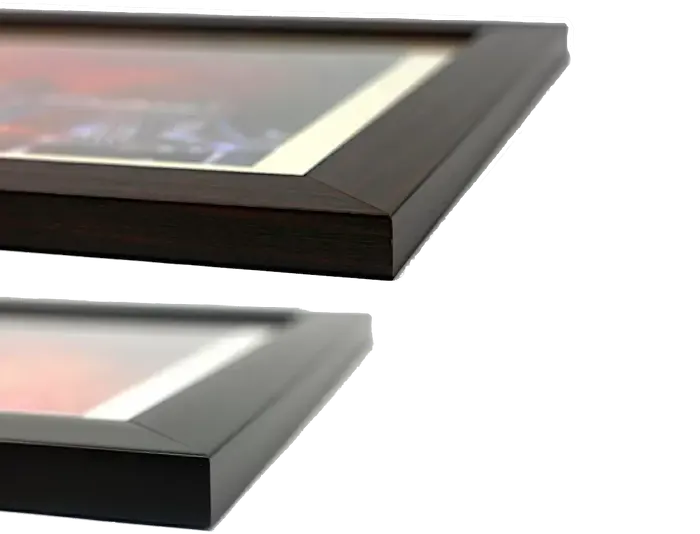
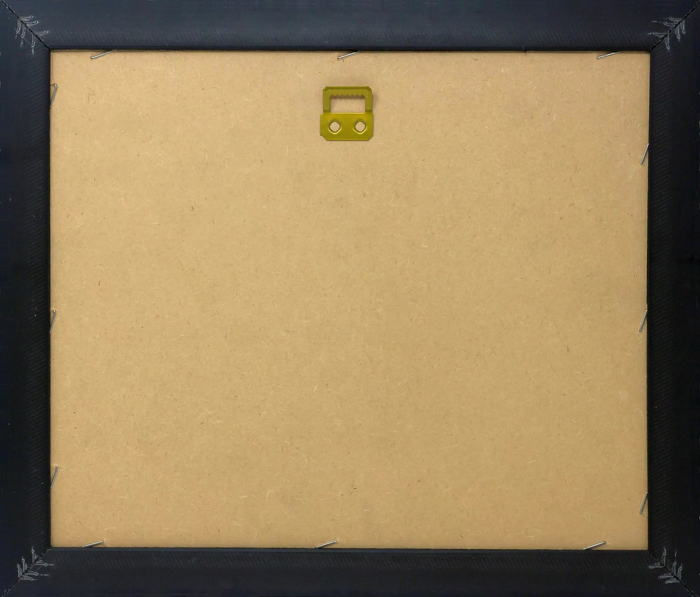
Wood effect frame, card mounted, 10x8 fade resistant photo print. Overall outside dimensions 14x12 inches (36x31cm). Environmentally and ozone friendly, 40mm wide x 15mm Polycore® moulding has the look of real wood, is durable and light and easy to hang. Biodegradable and made with non-chlorinated gases (no toxic fumes) it is efficient; producing 100 tons of polystyrene can save 300 tons of trees! Prints are glazed with lightweight, shatterproof, optical clarity acrylic (providing the same general protection from the environment as glass). The back is stapled hardboard with a sawtooth hanger attached. Note: measurements provided are estimated outer dimensions, which include both the image and the frame. While we aim to keep sizing consistent, exact dimensions may vary slightly due to differences in print size or production requirements, which may result in a variation in the overall size (up to approximately 2.5cm (1"))
These are individually made so all sizes are approximate
Estimated Image Size (if not cropped) is 18.9cm x 24.4cm (7.4" x 9.6")
Estimated Product Size is 31cm x 36cm (12.2" x 14.2")
Features in These Collections
Home > Granger Art on Demand > Plans and Diagrams